
Adaptation Canada 2026: Acting today for our shared tomorrow
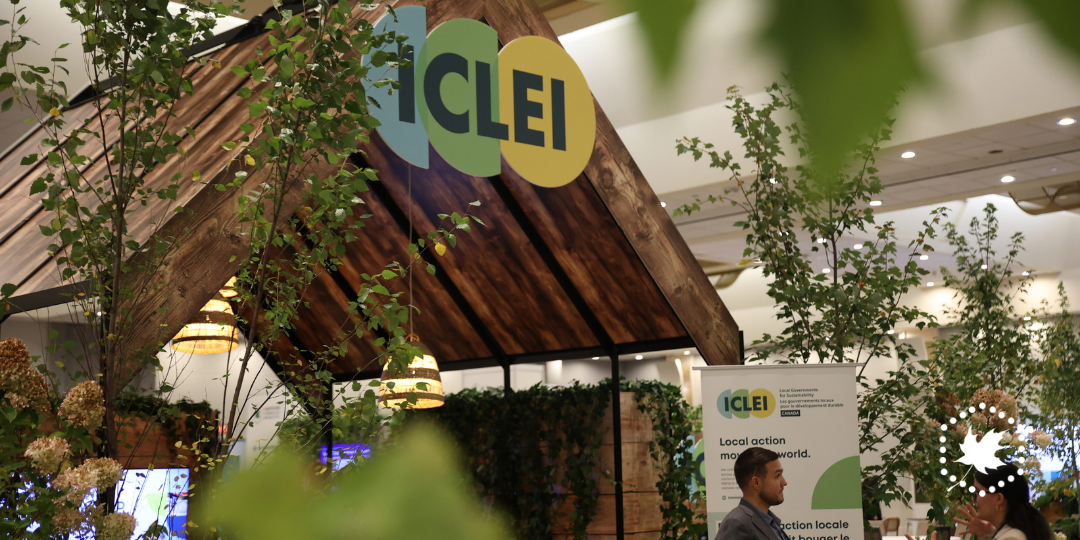
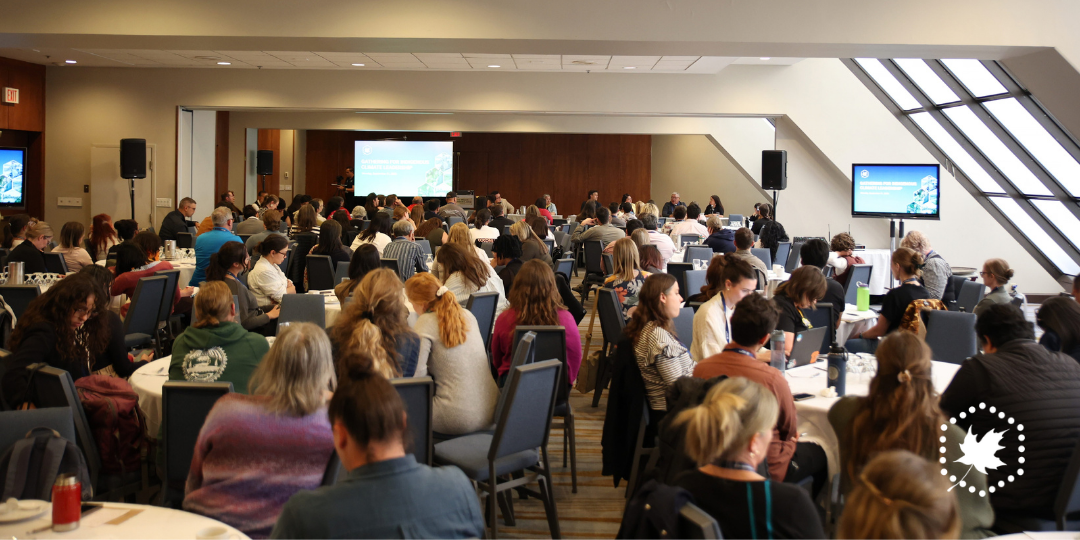
More than 1,000 delegates from across the country are gathering in Toronto for Adaptation Canada 2026 this week.
Held once every three years, this national conference supports the implementation of Canada’s National Adaptation Strategy and helps prepare Canadians for a changing climate. The conference, aimed at industry professionals, government staff, researchers, and community organizations, is being delivered by ICLEI Canada, with support from a network of partners. It is funded in part by the Government of Canada. Now in its third edition, it will be more expansive in its reach than ever.
A Critical Moment for Climate Adaptation
Adaptation Canada opens two weeks after Canada’s Changing Climate Report 2026 was released on September. The report put numbers to the trends Canadians are seeing in their communities. For example, by 2040, the hottest day of the year is projected to be 2.6°C hotter than it was in the past, and the heaviest rainfall events are projected to bring 20% more rain, driving more frequent and intense flash flooding. By the end of the century, the area burned by wildfire each year is projected to increase further as the climate continues to warm.
“This matters because adaptation decisions cannot be made on yesterday’s assumptions,” explains Ewa Jackson, Managing Director at ICLEI Canada. “We need infrastructure planning, land use decisions, emergency preparedness, asset management, and investment choices that reflect the climate we are moving into, not the one we used to have. This is exactly what we’ll be discussing at Adaptation Canada.”
The conference also follows the release of the first National Adaptation Strategy Progress Report on August 13, 2026, which provides an update on climate resilience across Canada and highlights where further action is needed.

Discover the Adaptation Canada 2026 program.
Spotlight on Solutions
Since Fall 2022, the Government of Canada has committed more than $2.1 billion to implement the National Adaptation Strategy and support a wide range of adaptation-related activities. In August this year, the Government of Canada announced $34.2 million to support 141 climate resilience projects in 128 communities across Canada.
Solutions currently being implemented to strengthen resilience at the local, regional, and national levels will be featured across Adaptation Canada’s program, including three plenaries, 70 sessions, 20 hands-on workshops, 12 dedicated study tours, and three parallel events. For example:
- Costs and Benefits: Building the Economic Case for Adaptation will examine the economic case for investing in adaptation and the costs of inaction.
- From Data to Decisions: The Climate Toolkit for Housing and Infrastructure will explore how climate information can inform decisions about building resilient housing and infrastructure.
- Living with Water: Coming Together Across Sectors and Expertise to Adapt the Built Environment will bring decision-makers, planners, developers, and insurers together to consider how and where Canada builds.
- Keeping Cool at Home: Policies and Strategies for Improving Thermal Safety in Existing Buildings will explore practical, affordable approaches to protecting Canadians from extreme heat.
- Climate Change and Health Adaptation: Strengthening Resilience and Collaboration, a parallel event hosted by Health Canada, will explore how to strengthen climate-resilient health systems and integrate health considerations into housing, infrastructure, and other major projects.
- Preparing for the Worst: Rethinking Disaster Recovery in Canada will look at how communities can better manage risk and recover from floods, wildfires, and other disasters.
- Designing Belonging: Social Resilience, Health Equity, and the Built Environment will explore how stronger social connections can contribute to healthier, more resilient communities.
- Climate Resilience in the North: Pathways to Partnership will bring northern and Indigenous voices, solutions, and leadership into the national adaptation conversation.
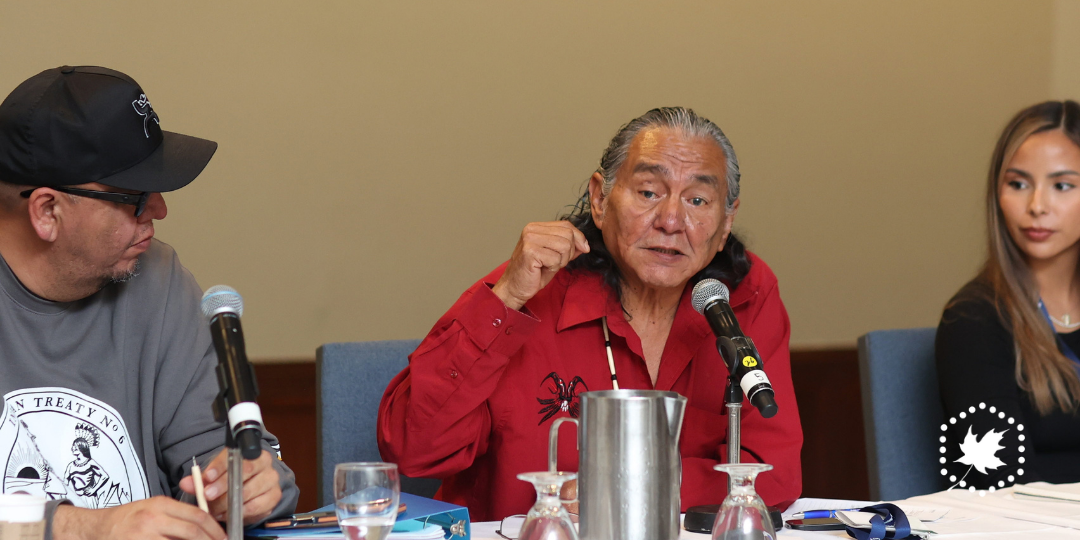
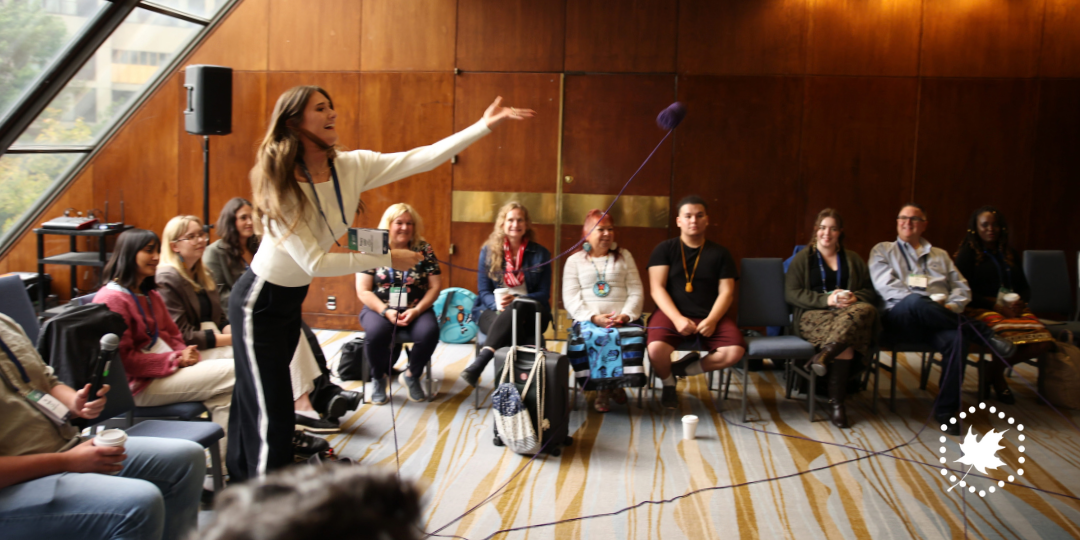
A Gathering for Indigenous Climate Leadership took place before the start of the conference to explore Indigenous-led approaches grounded in governance, culture, and local priorities. The Gathering provided a space for Indigenous leaders and knowledge holders to shape conversations that continue throughout Adaptation Canada.
Collaborating Across Sectors
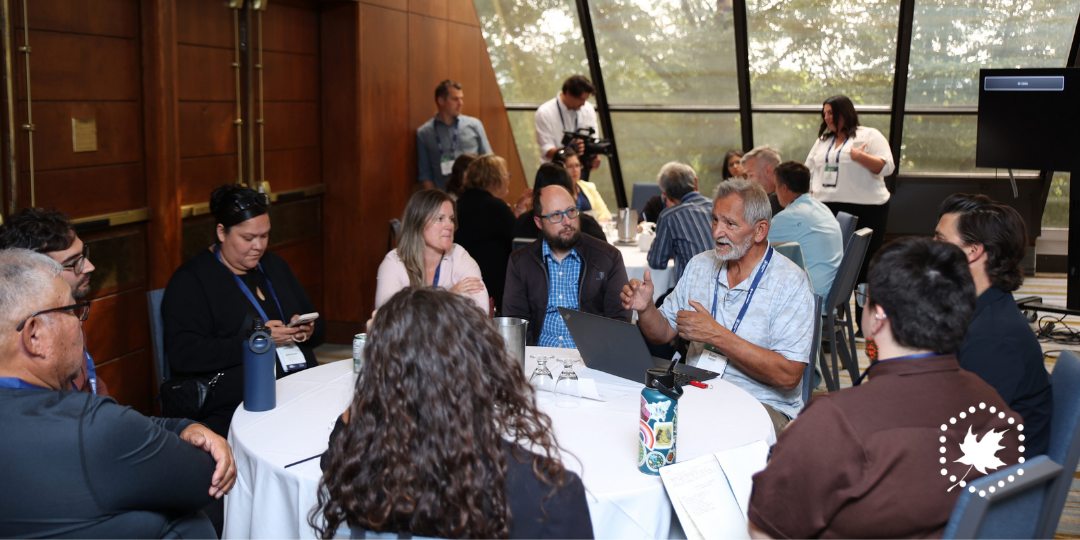
Underpinning Adaptation Canada’s program is the recognition that advancing climate resilience at the scale and pace required will depend on building non-traditional partnerships. The solutions we need require collaboration between governments, communities, academia, and the financial and private sectors.
“The necessary and urgent effort to build climate resilience in our communities isn’t something any one sector can do alone,” explains Chad Park, VP Sustainability & Citizenship at Co-operators. “There is no shortage of promising ideas in Canada, but too many resilience projects struggle to move from planning to implementation. By bringing governments, businesses, communities, Indigenous partners and investors together, we can identify practical solutions, address barriers and mobilize the capital required to put those solutions into action.”
Mobilizing investment is necessary to build resilience. From infrastructure to community-scale projects, private capital and innovative financing approaches can help accelerate implementation and ensure communities are better prepared for future climate risks.
“Climate action and economic growth aren’t competing priorities”, explains Thea Silver, Senior Director, Environmental Impact, RBC. “When we reframe environmental initiatives as business opportunities and inclusive solutions, we unlock pathways forward to build stronger communities together.”
Shaping the Future Together
Adaptation Canada 2026 takes place from September 22 to 24, at the Westin Harbour Castle in Toronto, on the traditional territory of the Mississaugas of the Credit, the Annishnabeg, the Chippewa, the Haudenosaunee and the Wendat peoples.
“The conversations we have today will shape our future”, explains Jackson. “Adaptation Canada 2026 offers a chance to step outside our individual areas of work, learn from each other, and build the connections needed to turn ideas into action.”
Join the Adaptation Canada email list and follow along on social media to receive updates.
For media inquiries, contact curniss.mcgoldrick@iclei.org.
Reach us
ICLEI Canada
401 Richmond St W (Suite 204)
Toronto, ON M5V 3A8