

June 2026 Newsletter
Letter from the Executive Director
Communities across Canada are facing mounting pressure to act on climate in an ever-changing policy landscape. In our discussions with local practitioners, the message is consistent: the urgency to focus where action can have the biggest impact is more acute than ever.
Local knowledge and strong data are critical to knowing where climate risks are greatest, where social vulnerability overlaps with those risks, and where action will make the biggest impact. Equipped with this information, communities can prioritize projects and make smart investments. Climate Insight is designed to help you do exactly that, and the newly updated map makes this even easier than before. Research also plays a key role in directing efforts where they are needed most, which is the aim of the current Canada-wide survey from the Municipal Net-Zero Action Research Partnership (N-ZAP).
But data alone doesn’t build resilient, low-carbon communities—collaboration is needed to implement and scale climate action. This requires building trust and relationships across communities, governments, and sectors. Tomorrow’s Peer Network discussion will explore the importance of relationships in the context of Indigenous-municipal partnerships and local climate action. Our new guide, Stronger Together: Deepening social connection for climate resilience, also highlights the role of trust and strong social connections in advancing climate solutions.
We hope the resources, events, and projects featured in this newsletter inspire you to use data and keep building relationships to support your work.
Megan Meaney
Executive Director, ICLEI Canada
New Resource!
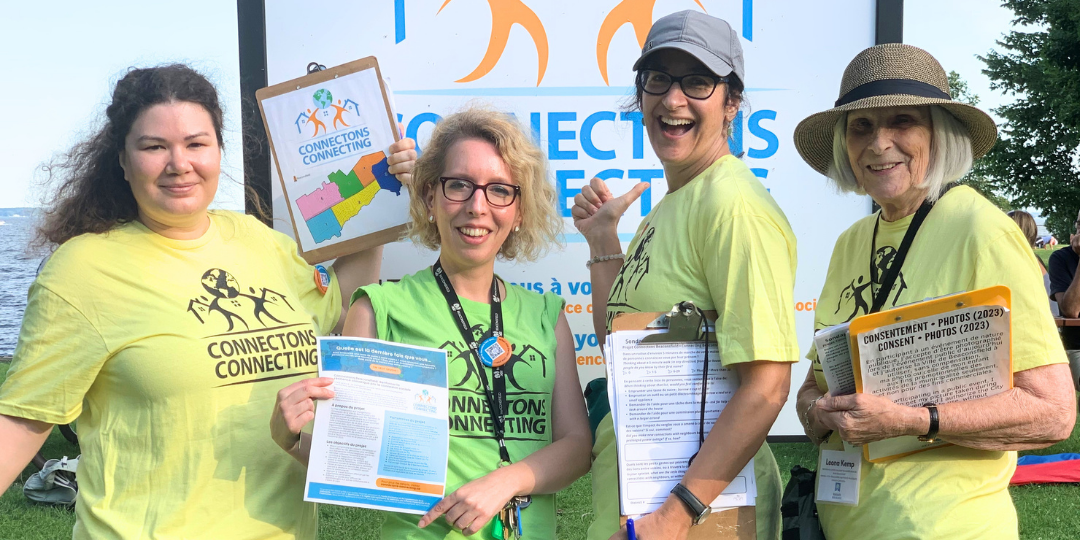
Stronger Together: Deepening social connection for climate resilience
We are thrilled to share a new guide to strengthen social connection for climate resilience. Inspired by real-world examples from the City of Beaconsfield and other communities across Canada, this practical guide is designed to help local governments and their partners:
- Gain insight into the ways that social resilience contributes to community resilience;
- Find activities that can be used as jumping-off points for different phases, stages, and components of connection-building initiatives at all scales;
- Get inspired by practical examples from the Connecting Beaconsfield project, as well as many “care stories”; and
- Identify where projects that are already underway in your community might be tailored, improved on, or built upon to create more meaningful and impactful outcomes.
If you are a local practitioner interested in integrating social connection into your climate resilience work, this guide is for you.
Featured Resources
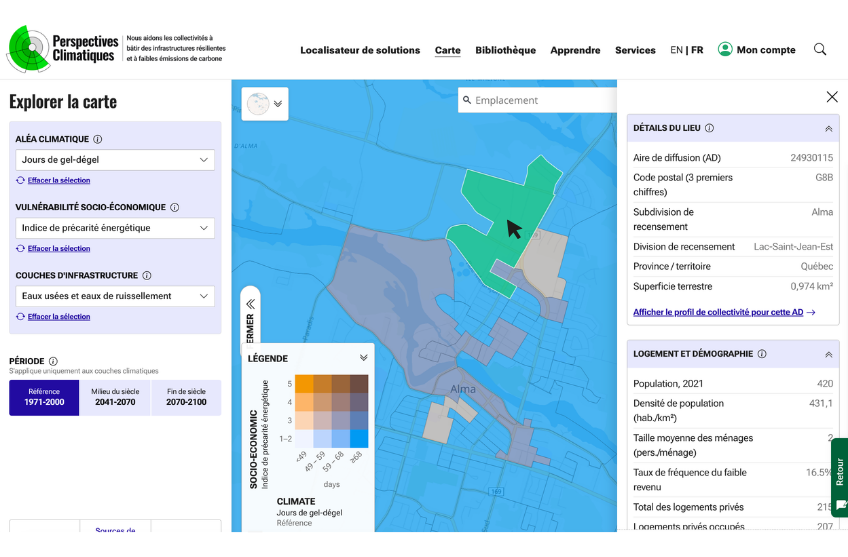
New update! Climate Insight’s map is better than ever
The Climate Insight map is one of the most popular tools on the platform—and it has just been updated. Communities across Canada use this map to access the most up-to-date and localized data available and make data-driven decisions. Check out the new additions, including:
- A huge increase in housing and demographic data;
- A new socioeconomic layer highlights social resilience;
- The ability to export map data (added by popular request);
- The option to create your own mix-and-match bivariate layers using any climate and socioeconomic data; and
- Faster loading time and an interface that is easier to navigate.
Use this interactive tool to map local climate, housing, demographic, and infrastructural data to see where action matters most in your community. Plus, make use of the map’s extensive housing and demographic data and new socioeconomic layers to plan with the full picture.
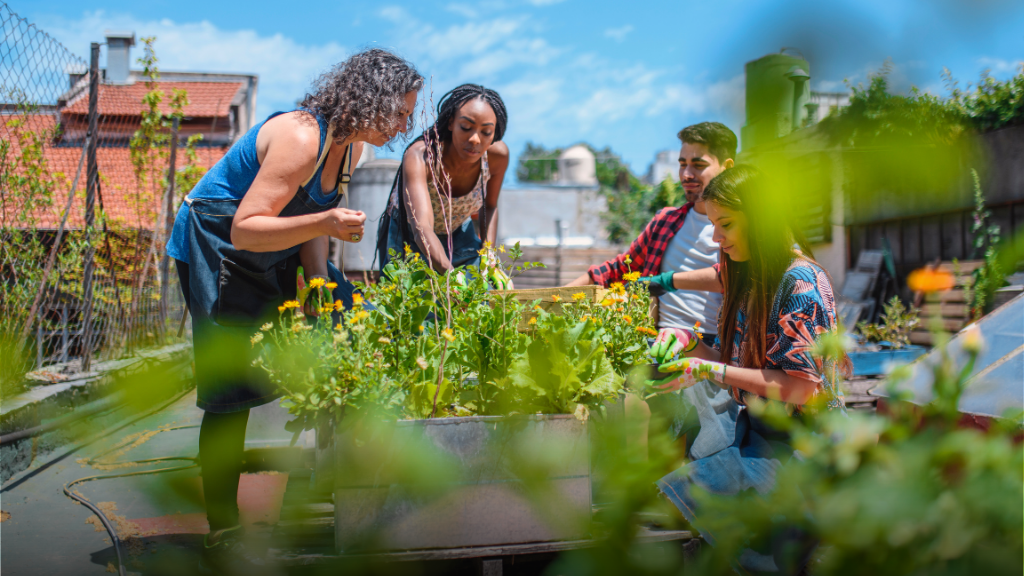
Discover best practices for structuring partnerships
The Community Partnerships for Equitable Local Climate Action guide offers recommendations to design (or improve) partnerships for effective community-wide climate action. It includes step-by-step guidance between formation, planning, implementation and evaluation. It also provides evidence-based ways to embed equity and Indigenous engagement in community-wide climate action and includes real-world examples.
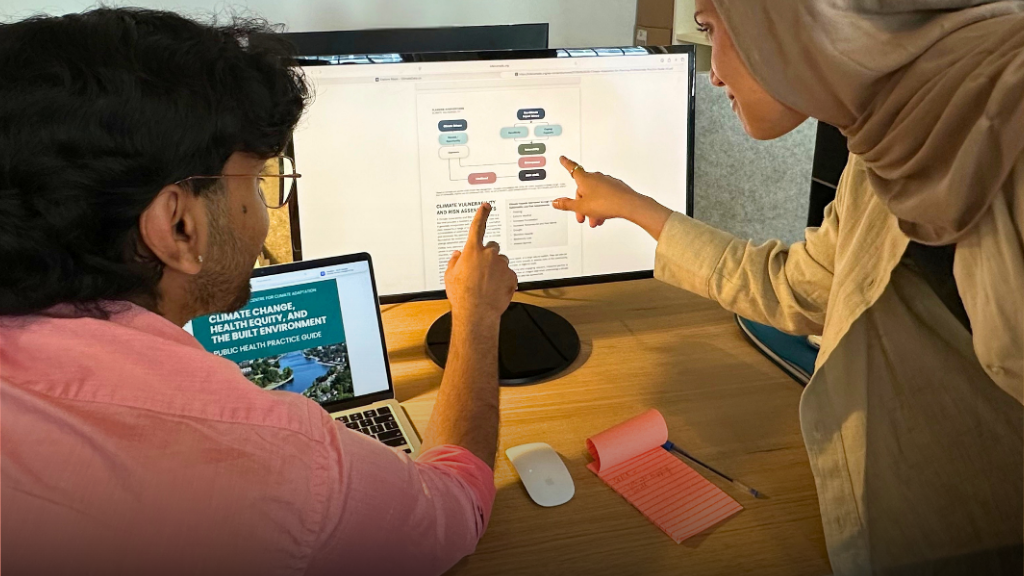
Get in touch with the ORCCA team to receive tailored support
The Ontario Resource Centre for Climate Adaptation (ORCCA) Support Desk offers free support to help communities and organizations across Ontario move forward with climate adaptation. From understanding climate data to planning and implementing practical actions, get in touch with someone from the ORCCA team through the Support Desk for free, expert guidance no matter where you are on the journey to adaptation.
Upcoming Events and Opportunities
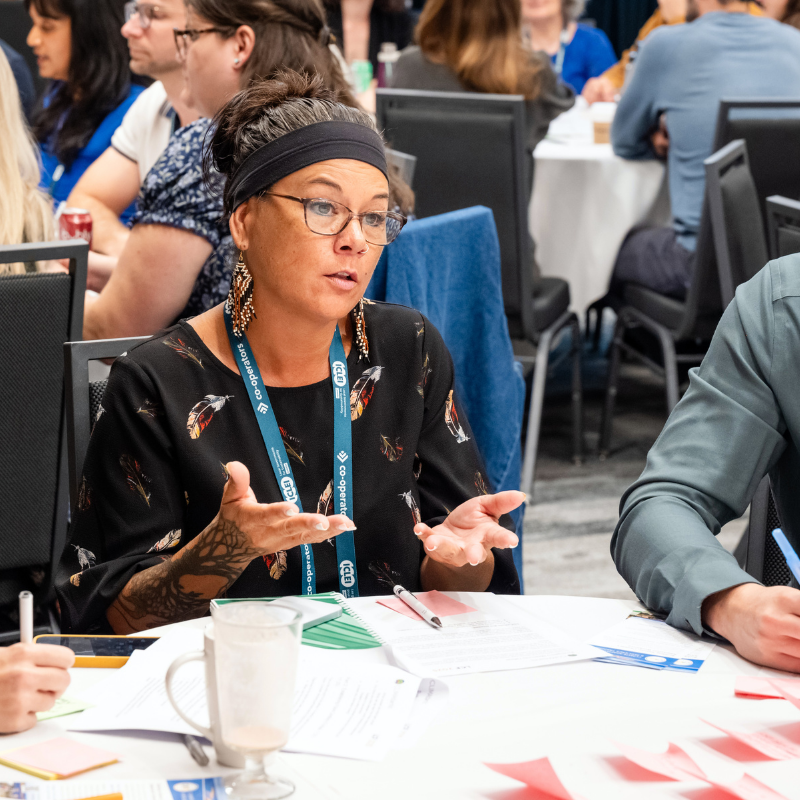
Tomorrow: ICLEI Peer Network meeting
Supporting Indigenous leadership and advancing reconciliation are foundational to building resilient, net-zero communities. Join us tomorrow, Wednesday, June 24, from 1:00 to 2:00 pm ET, for our next Peer Network meeting. Together, we will explore practical lessons, relationship-building approaches, and opportunities to deepen collaboration.
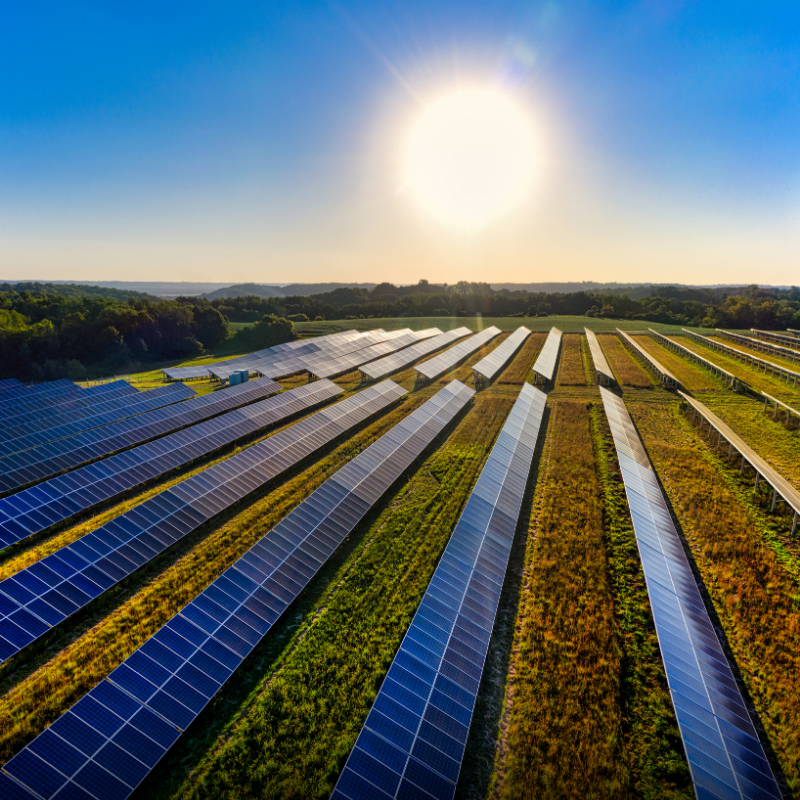
How can municipalities drive uptake of home electrification?
For municipalities to meet their climate and housing goals, homes have to be retrofitted with low-carbon, electric solutions. Join a BNZ Community of Practice session on Thursday, June 25, from 2:00 to 3:00 pm ET to learn how municipalities can help local contractors, homeowners, and networks drive uptake of home electrification technologies.
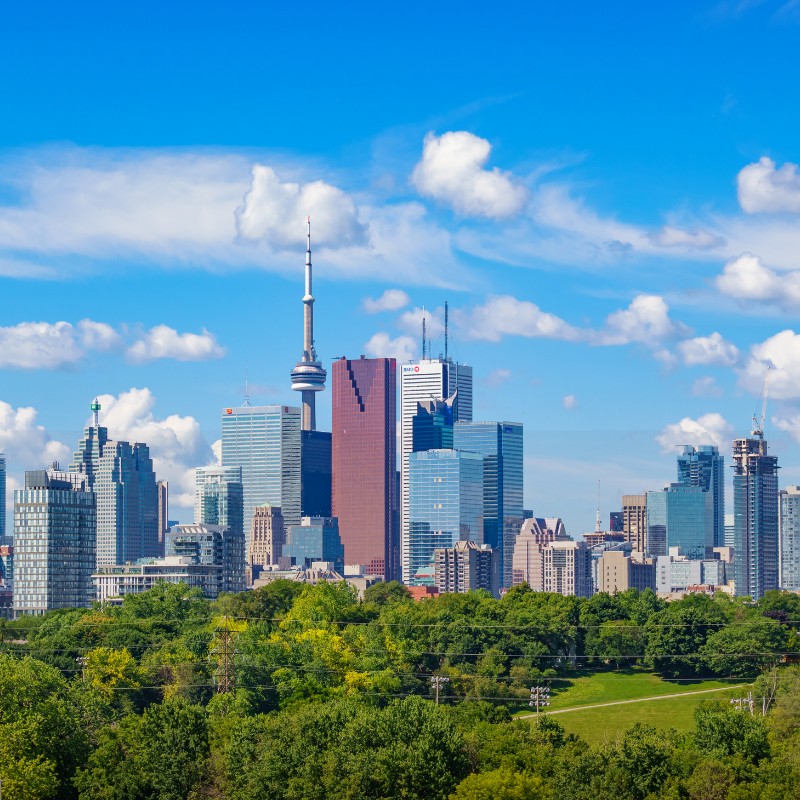
Register for Adaptation Canada 2026 before June 30 to avoid late fees
Join over 1,000 delegates, 200 speakers, and 70 sessions in Toronto this September 22–26 for Adaptation Canada 2026 to bring your perspective, insights, questions, and solutions to Canada’s national conversation on climate adaptation. Tickets include access to 3+ days of engaging presentations, workshops, plus two receptions, all conference meals and breaks, study tours, and parallel events. Register by June 30 before rates increase.

Take part in N-ZAP's survey
The Municipal Net-Zero Action Research Partnership (N-ZAP) has launched a new survey to examine the state of climate action in local government. Municipalities are invited to share on-the-ground insights that will inform new research on emerging Climate Action trends and help strengthen support for local governments on the path to net-zero.

From Our Global Network: Save the date for ICLEI World Congress 2027
ICLEI World Congress 2027 will be hosted by the City of Pohang, Republic of Korea, from October 5-8, 2027. Mark your calendars and join the global ICLEI Network in Pohang for four days of exchange, inspiration and connection as local and regional governments and their partners from around the world come together to advance a sustainable transition.
In Case You Missed It

Latest BNZ CoP Replay: Collaborating with developers, builders and renovators
Building high-performance housing (fast!) doesn’t happen in a vacuum. Watch this replay to learn from three industry representatives what high-performance construction looks like in practice, and what they wish municipalities understood about the policies and processes that can help get quality housing built.
Welcome to the Team!

Ali Greenslade, Climate Change Project Coordinator
Ali joins our Adaptation team as a Climate Change Project Coordinator, bringing several years of experience at the intersection of climate policy, Indigenous climate leadership, and environmental justice. Most recently, she worked with the Otipemisiwak Métis Government of the Métis Nation within Alberta, where she co-developed a climate risk and vulnerability assessment framework focused on the impacts of climate change on Métis people’s livelihoods and cultural practices.

Nouran Nour, Climate Change Project Coordinator
Nouran joins the Adaptation team as a Climate Change Project Coordinator, primarily supporting the Ontario Resource Centre for Climate Adaptation (ORCCA). She brings over five years of experience in climate adaptation engagement and sustainability program coordination, most recently with the Canadian Centre for Climate Services, where she helped practitioners understand and apply climate information in planning and decision-making.

Kylie-Anne Grube, Climate Change Project Assistant
Kylie-Anne joins our Adaptation team, where she supports climate resilience work through the Advancing Implementation Training Initiative (AITI) and the ORCCA. She brings over five years of experience in adaptation planning, community engagement, and capacity building, including her work as co-author of the Dufferin Climate Adaptation Strategy.

Shihan Mohammed, Climate Change Project Assistant
Some of you may already know Shihan—he impressed us during his fall/winter internship, and we are thrilled to welcome him back as a Climate Change Project Assistant! Shihan supports the Adaptation team across the Building Adaptive and Resilience Communities (BARC) program, ORCCA, and upcoming events, including Adaptation Canada 2026.

Maude Péthel, Climate Change Intern
Maude joins the ICLEI Canada Québec office team as a Climate Change Intern, supporting the development of municipal climate plans across both adaptation and mitigation. She holds a degree in Industrial Engineering from Polytechnique Montréal, brings five years of professional experience, and is currently completing a Master’s in Environment at the Université de Sherbrooke, with a focus on climate adaptation and community resilience.
Reach us
ICLEI Canada
401 Richmond St W (Suite 204)
Toronto, ON M5V 3A8