

September 2025 Newsletter
Moving Fast While Ensuring Meaningful Impact
This has been a busy year for our team and for local leaders across the country. Communities are moving quickly to respond to urgent needs, from addressing housing pressures to confronting increasing climate impacts, all while working towards important climate goals. Yet, as we know, the most meaningful work happens at the speed of trust. Building relationships, advancing equity, and working toward reconciliation are not things that can be rushed. The challenge before us is clear: how do we act with urgency while ensuring a meaningful and lasting impact?
At ICLEI Canada, we believe the answer lies in working and learning together. We do this by staying nimble, collaborative, and connected to on-the-ground practitioners thanks to peer networks, communities of practice, and national initiatives. As you read this newsletter, you’ll see the momentum we are building with our partners. Whether through the Livable Cities Forum, the Building to Net-Zero (BNZ) Community of Practice, the Partners for Climate Protection (PCP) Community of Practice, the ICLEI Peer Network, Adaptation Canada 2026, or during an upcoming webinar, we hope you will join us in this collaborative effort.
Megan Meaney
Executive Director, ICLEI Canada
Canada’s National Climate Adaptation Conference Returns in 2026
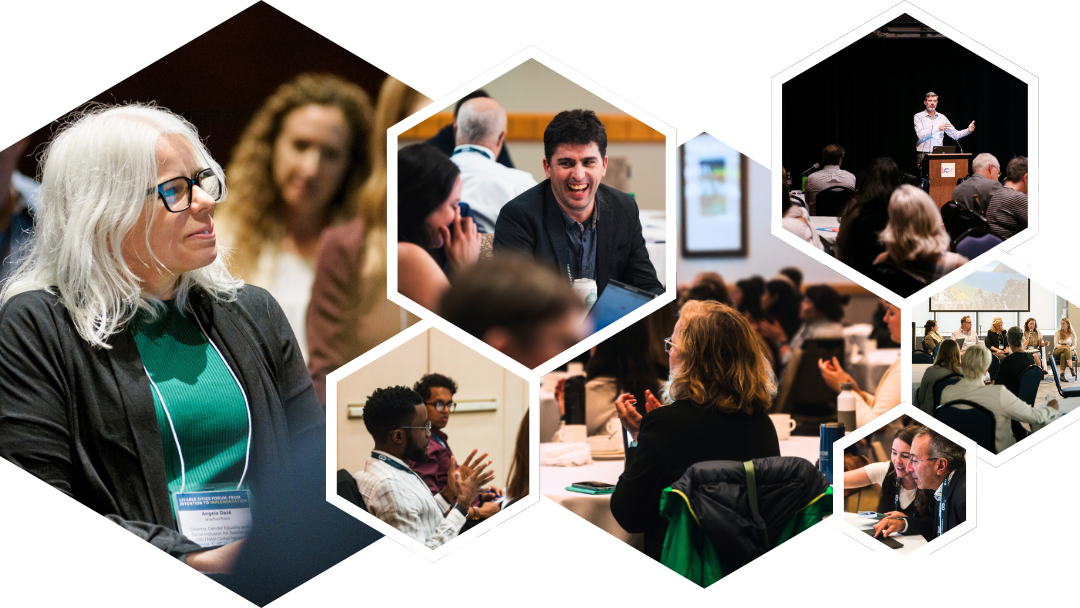
Join the national conversation on climate adaptation.
Do you have solutions or insights on climate resilience? Plan to attend and submit a speaker application by November 19.
Canada’s national climate adaptation conference will take place in Toronto next fall, from September 22 to 24, 2026. Building on the momentum of previous editions, Adaptation Canada 2026 will bring together over 1,000 participants from diverse sectors and communities to drive Canada’s climate resilience efforts forward. Plan to join us as a speaker and/or delegate.
Coming Up
Reminder: Proposals to work with us on the BNZ project are due this week
Support 12 small- and mid-sized Canadian municipalities as they build capacity and create voluntary Green Development Standards (GDS).
We are seeking consultants who will work with the BNZ municipal cohort to train and design draft GDS tailored to their local contexts. Download the RFP and Addendum for more details. Proposals are due on Friday, September 26.

New Innovative Features Are Coming to Climate Insight
It will be easier than ever to understand climate risks and hazards in your community with Climate Insight’s new features.
The newest Climate Insight features, launching on Tuesday, October 7, will give communities the tools they need to get ahead of increasing climate risks in just a few easy steps. Stay tuned for first-of-their-kind features, including impact cards, a rapid risk assessment tool, and a new map layer that provides a snapshot of hazard profiles across communities.

Building Adaptive and Resilience Communities (BARC) Update!
Canada’s leading climate adaptation framework is refreshed with new approaches, activities, tools, and guidance.
Backed by more than 15 years of real-world application, the refreshed BARC methodology reflects lessons learned, stronger equity and reconciliation guidance, and today’s best practices. Designed to meet the urgent realities of climate change, the updated framework supports communities at any stage of their adaptation journey.

Become a Net-Zero Action Research Partnership (N-ZAP) Pilot Community
Pilot communities receive access to cutting-edge research, peer support, and micro-credential courses from the University of Waterloo.
N-ZAP is inviting Canadian communities to use, test out, and share feedback on resources—including the Climate Budgeting guide, the Community Partnerships for Equitable Local Climate Action guide, an upcoming Financial Disclosures guide, and the updated Climate Analysis Tool. Applications for the first round of cohorts will close on Wednesday, October 15.
Events

Join Us in Halifax for the Livable Cities Forum
Register to be part of the conversation as we break down barriers and find creative ways to accelerate climate action.
The Livable Cities Forum is like no other conference thanks to its interactive formats, fun networking opportunities, and focus on actionable solutions. Join experts, peers, and leaders on October 6-8, in Halifax to explore practical ways to act on climate together. Be part of meaningful conversations, and walk away with concrete tools and insights to accelerate climate action in your community.
The Business Case for High Performance Housing
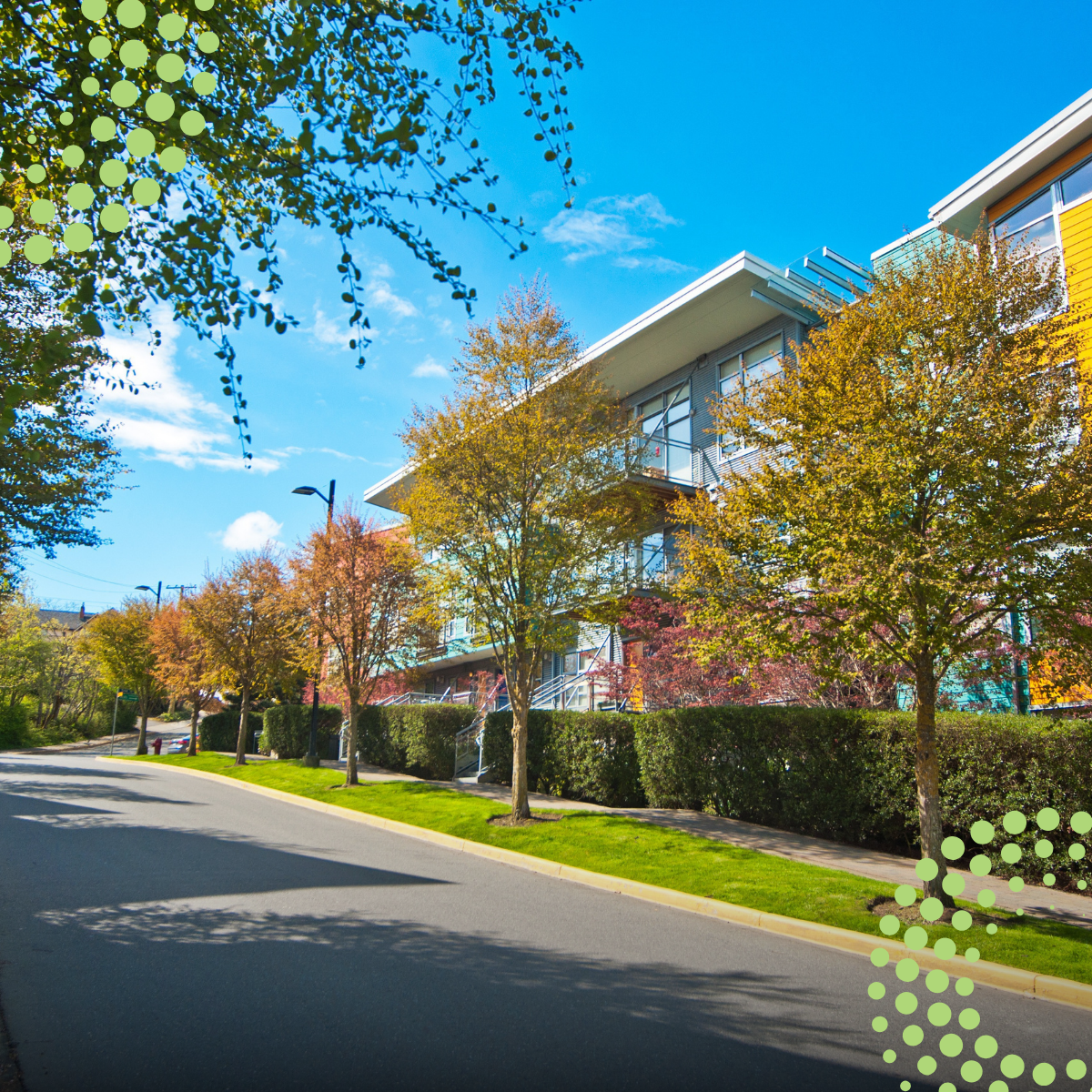
Join us Thursday, September 25, from 2:00 to 3:00 pm EST to explore the financial realities, local market conditions, and practical community benefits of net-zero construction. This BNZ Community of Practice session highlights how varying local market conditions—such as labour, materials, and energy pricing—can shape both the feasibility and impact of different design strategies. You will also hear how small, cost-effective design choices can improve building performance and resident comfort.

PCP Members: Learn about N-ZAP’s peer-learning pilot cohort
N-ZAP is looking for communities at all stages of climate action to pilot new, expert-created guides and tools. Join the next PCP Community of Practice call on Thursday, October 2, from 1:00 to 2:00 pm EST to learn all about this opportunity. Hear more about the cutting-edge research, guidebooks, peer learning groups, guest speakers, and courses that pilot cohort participants will have access to, and have all your questions answered.
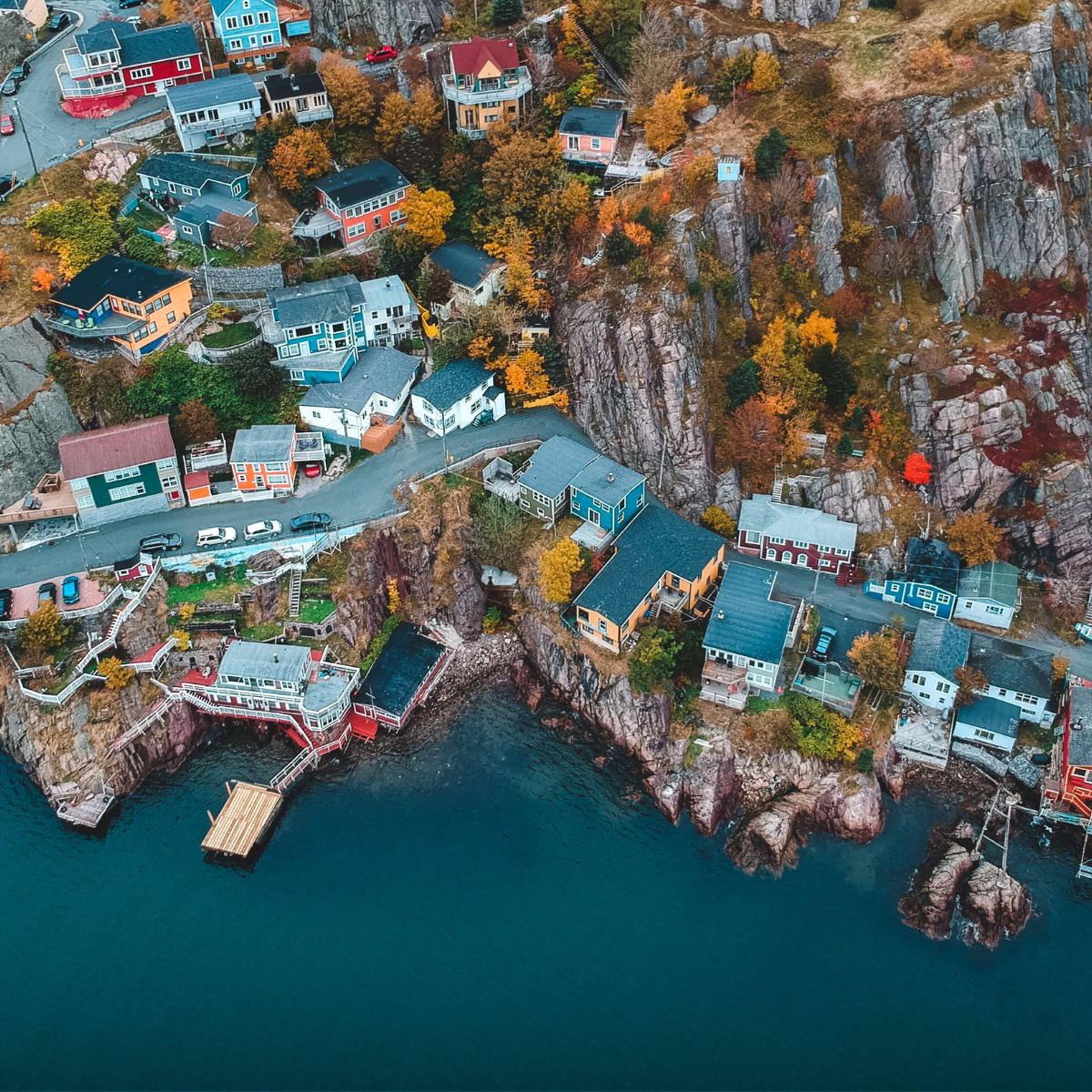
Climate Insight: New features help you build today for a changing tomorrow
Climate hazards and risks need to be at the forefront of housing and infrastructure decisions made today. Join us on Wednesday, October 22, from 2:00 to 3:30 pm EST to discover how Climate Insight’s newest features—including first-of-its-kind hazard profile snapshots and a rapid risk assessment tool—can help you get ahead of these increasing climate risks. A “speed panel” will introduce these new features, followed by a Q&A to answer all your questions.
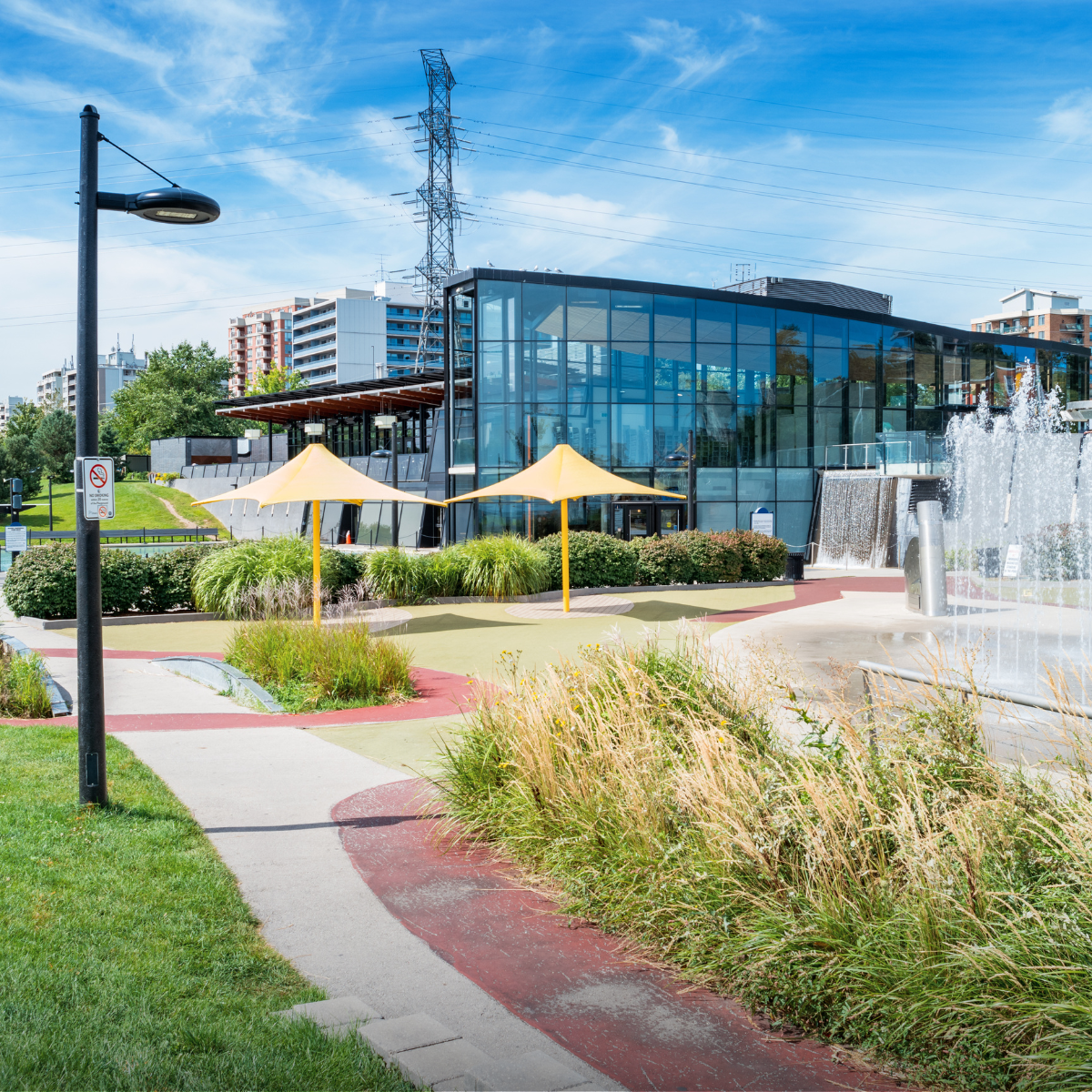
Building Adaptive and Resilient Communities: What’s new with BARC?
The refreshed BARC framework reflects 15 years of real-world lessons, shaped with and for Canadian communities. Now even more flexible and adaptable, the proven five-milestone methodology offers pathways that work for any municipality, regardless of size, resources, or expertise. Join us on Wednesday, November 19, from 2:00 to 3:00 pm ET to learn what’s new and how your community can take practical steps toward climate resilience while advancing equity and reconciliation.

ICLEI Peer Network
Join us on Wednesday, November 26, from 1:00 to 2:00 pm ET to connect with municipal peers across Canada, exchange insights, and get re-energized in your work. In our next ICLEI Peer Network, we will discuss the opportunities and threats AI represents for local climate action.

Adaptation Canada 2026
Registration is now open for Adaptation Canada 2026, Canada’s premier national conference on climate adaptation. Join over 1,000 participants in Toronto September 22–24, 2026, to exchange ideas, share solutions, and drive action on resilience.
In Case You Missed It
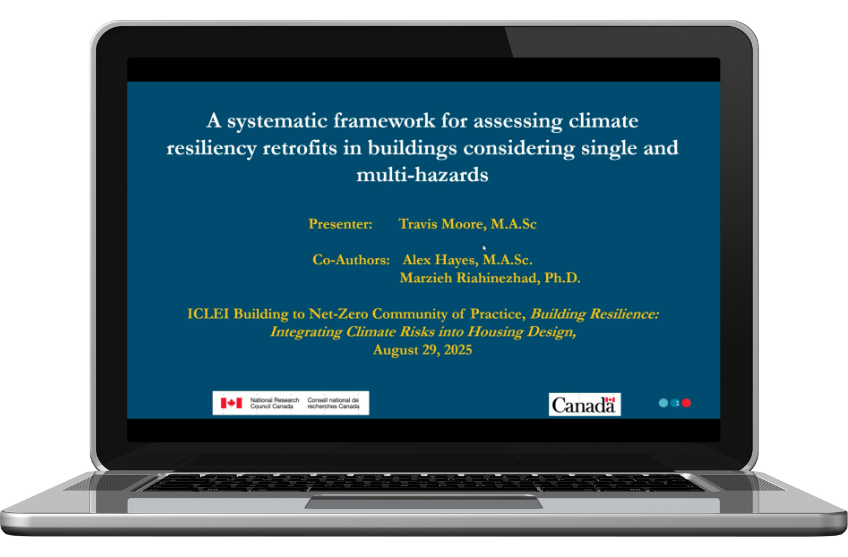
Building Resilience: Integrating Climate Risks into Housing Design
Gain practical insights from National Research Council Canada and explore how municipalities can start incorporating climate risks into housing design while supporting energy and sustainability goals.
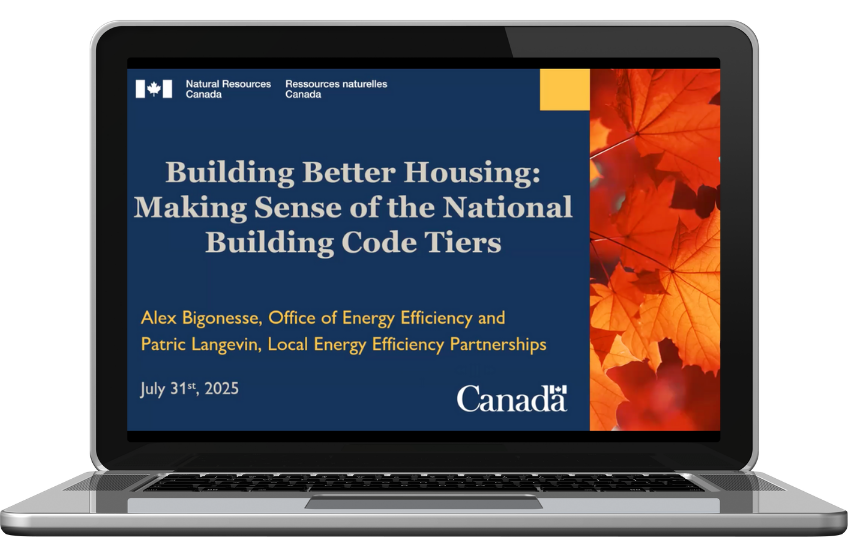
Building Better Housing: Making sense of the National Building Code tiers
Watch this replay to learn how the tiers work, how they relate to local priorities, and what benefits they can bring for residents—like lower energy bills, better indoor comfort, and fewer costly retrofits down the line.
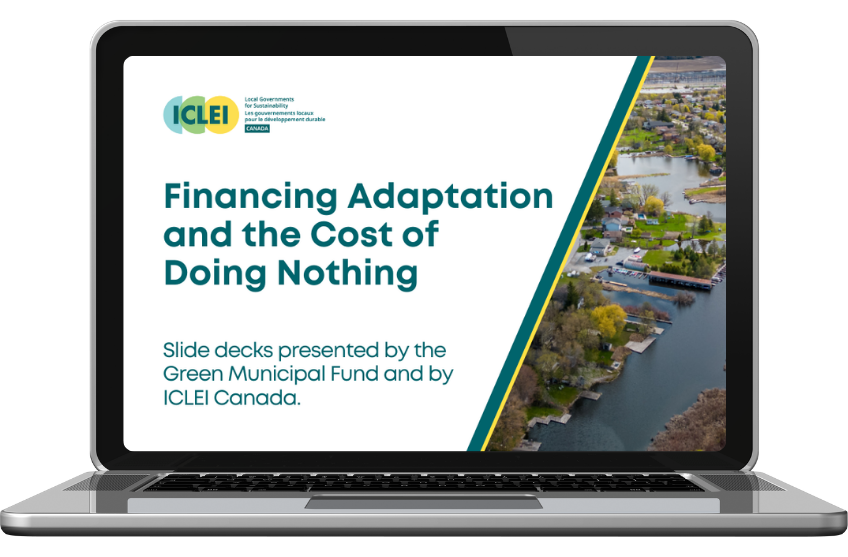
Financing Adaptation and the Cost of Doing Nothing
Discover how the Green Municipal Fund’s Adaptation in Action program and ICLEI Canada’s resources, like the Cost of Doing Nothing Toolbox and the Financing Resilient Infrastructure Project, can help your community develop strong climate plans, assess risks, and access innovative ways to finance climate resilience actions.
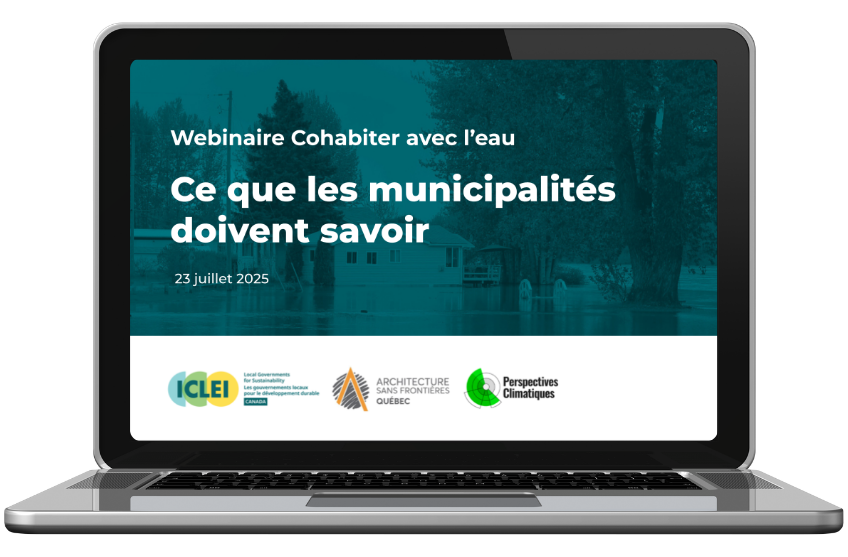
Living With Water Webinar: What municipalities need to know
Watch the replay to learn more about the tools at your disposal to better understand, analyze, prepare for, and take action around flooding.
Project Updates

Adaptation Implementation Training Initiative (AITI)
Together with 32 participants, we are making great progress towards the successful implementation of adaptation actions in communities across Canada.
We are currently working with 32 municipalities, two Indigenous communities, and one health authority on getting adaptation actions implementation-ready. We recently completed the prioritization of adaptation action with equity in mind and are getting ready to address barriers.

Building to Net-Zero (BNZ)
The 13 BNZ municipal cohort members have built roadmaps, completed energy and emissions reports, and are developing business cases on the cost of inaction.
BNZ is a four-year training and capacity-building project designed to support municipalities in the adoption of building energy performance frameworks. This fall, we are launching training with their building sectors and working toward voluntary frameworks and incentives for greener development.

Climate Insight
New features coming on October 7, 2025, make it easier than ever for Canadian communities to understand climate risks and hazards.
Climate Insight provides a centralized source for communities to find the tools and data they need to advance low-carbon, resilient housing and infrastructure initiatives in their communities. New features—including a rapid risk assessment tool and a new map layer that provides a snapshot of hazard profiles across communities—give communities the tools they need to get ahead of increasing climate risks in just a few easy steps.

Coastal Climate Resilience Collaborative
Together with project partners and Advisory Group members, grant applications are being prepared to implement climate-resilient projects across the Pacific North Shore and Sunshine Coast.
The Coastal Climate Resilience Collaborative brings together local authorities to co-define, prioritize, and develop shared resilience, all while sharing knowledge and resources across jurisdictions. Recordings of monthly “Knowledge Share” sessions, featuring guest speakers from across the region and beyond, are available to everyone.

Economic Tools to Advance Adaptation
Working in close collaboration with the project steering committee, we are assessing and analyzing existing municipal fiscal tools while developing Cost of Doing Nothing reports for participating municipalities.
Through this project, municipalities, stakeholders, and industry experts are using innovative economic tools and instruments to advance adaptation.

Living With Water
Our involvement in this Architecture Without Borders Quebec project wrapped up this summer with the launch of the Supporting Residents During Floods: What municipalities need to know resource.
The Living With Water project encourages widespread adoption of flood-resilient building practices across Canada through training programs and decision-support tools.

Net-Zero Action Partnership (N-ZAP)
N-ZAP has launched several new learning tools and is now inviting Canadian communities to test them out and provide feedback.
N-ZAP was established to help Canadian municipalities monitor, measure, and achieve their GHG mitigation goals. Five N-ZAP working groups are collaborating on distinct objectives and sharing findings from research activities including the Climate Budgeting Guide and Community Partnerships for Equitable Local Climate Action resources that were launched this summer.

Who Benefits, Who Pays
The project partners are convening with “living lab” municipalities this fall and unpacking research findings from cost-benefit analysis.
This project aims to understand and determine who benefits from investment in climate adaptation infrastructure, and how that logic could inform financial frameworks to leverage private capital investment.
Reach us
ICLEI Canada
401 Richmond St W (Suite 204)
Toronto, ON M5V 3A8